“Chic Hot Club is reader-supported. When you shop through our curated links,
we may earn a commission. [See our full disclosure below].”
Mid tier fashion and true luxury are not the same. Exclusive luxury fashion discounts are often misunderstood within the broader conversation about fashion tiers. Many shoppers still navigate a blurred distinction between mid-tier labels and true luxury houses, despite the significant difference in intention and execution behind each.
Superficially premium products may resemble high-end design at first glance, yet they often rely on surface aesthetics rather than enduring craftsmanship, material depth, and refined construction. In contrast, true luxury pieces are defined by restraint, precision, and a commitment to quality that remains consistent beyond seasonal appeal. While a mid-tier item might look the part for a season, it lacks the core concepts of absolute luxury—namely heritage, exclusivity, and long-term value.
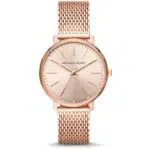
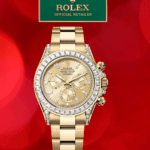
Consider the horological world: a trend-focused fashion watch may mirror contemporary styles, but it cannot be compared to a luxury Rolex watch. A Rolex isn’t just a timekeeper; it is an investment piece defined by in-house metallurgy, decades of mechanical refinement, and a historic legacy of retaining—or even increasing—its value over time.
With the explosive growth of online shopping via platforms such as Luxury Fashion Mall (the trusted luxury brands’ online store), shoppers now have ample, unprecedented exposure to both mid-tier and top-tier products. Navigating this landscape requires a trained eye. Knowing the level of craftsmanship required to produce a true luxury item—whether it is a flawlessly tailored archival coat or a precisely engineered Rolex watch—empowers shoppers to look past clever marketing.
Ultimately, understanding what distinguishes true luxury from mid-tier alternatives allows shoppers to move away from disposable fashion, build a wardrobe of genuine substance, and make the smartest investment decisions for the long haul.
The Difference Between Mid Tier Fashion And True Luxury Begins with Craftsmanship
Beyond craftsmanship and true luxury, brands of mid-tier products often miss the mark when it comes to quality. Today, popular brands are focused more on the production of fluctuating, trendy content. Though mid-tier products may look attractive, in most cases, they are planned for a quick lifecycle.
High quality, true luxury brands are deliberate when choosing how they construct a product. The best luxury and high-end designer brands value premium construction, high quality fabric, careful stitching, and premium fabrics.
Whether you are shopping for a premium designer, luxury brands online, or accessories, true luxury products are designed to reflect a level of craftsmanship that is beyond chronological seasons.
Material Quality Changes Everything About Mid Tier Fashion And True Luxury
A significant disparity is found in the materials. Many mid-tier brands use cost-cutting luxury materials, including synthetics. These may be cheaper substitutes for luxury materials, but they are not comfortable, durable, or pleasant to the touch.
True luxury is rooted in the reliability of realist materials. Accessories, clothing, and shoes for luxury brands are costly because they utilize better cashmere, fine leather, and other sought-after materials that enhance the aesthetic appearance of products.
Beyond just the assurance of aesthetic luxury brands, the items carry realistic, tangible luxury for a lasting life. For many shoppers, the tactile difference is often self-evident.
Luxury Has a Focus on Timeless Fashion
Contrary to luxury, mid-tier brands commit to the tactics of fast fashion, which exist to have clients regularly. Brand clientele heavily relies on constant purchases in hopes of new regimens. The constant promise of a new fashion is an understood word to replace the old trend.
True luxury requires more personal investment in items for longevity. Many of the created staples are unchanging and serve to build a more sophisticated style. Within the strategic collection of luxury items, there is a reliance on a more constant client base because of the time demanded to build clients for many mid-tier brands.
Durability Creates Long-Term Value
A major mistake many make is thinking anything pricey is also costly. This isn’t the case; true luxury is often in the details and holds greater lasting value due to durability.
This is extremely true with clothing. Although mid-tier fashion brands may appear affordable, they require more frequent replacements, elevating total spending to the same level or more than that of luxury brands. Unlike mid-tier clothing brands, luxury clothing is purposely made to withstand use and to hold their looks.
Purchases such as high quality handbags, footwear, and jackets may become staples in your wardrobe for years. This holds great long-lasting value and ultimately stands true for the smarter purchase.
Exclusive luxury fashion discounts Attention to Detail Defines Luxury
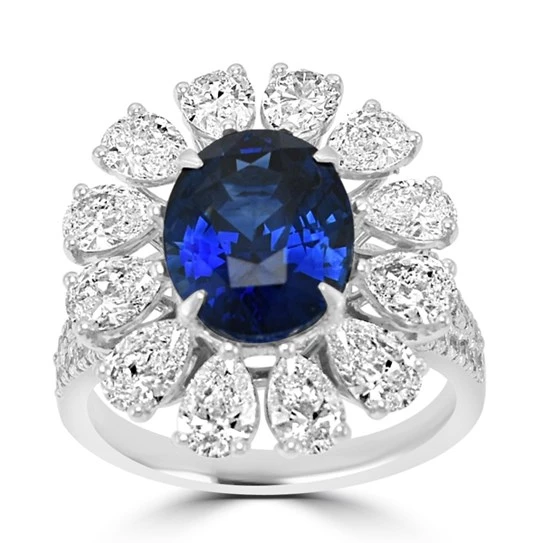
Luxury captures a range of subtle details that escape the average consumer’s eye. It helps to have some to wear in your wardrobe. These detailed luxuries include perfect tailoring, even balance, smooth edging, and finely designed interiors, amongst other details.
Various examples break this down, particularly when it comes to designer shoes and bags brands. Shoes and bags from these brands are meticulous and include precision hardware and elegant detailing, things that other mid-tier products simply do not possess.
Accessories are also a different world altogether from a luxury standpoint. Luxurious watches, for example, are both the epitome of simple function and engineering, and a work of art. Take the Rolex, for example. It is the epitome of precision and time-honored ideas and philosophy, and its legacy also makes it a good investment when compared to the same period of temporary fine fashion that it replaces.
Shopping Experience Transitions
Loyalty of customers is not simply priced in, and it shouldn’t be based on the luxury of a specific product either. A strong example of this is Chic Hot Club.
Whereas other luxury-oriented platforms generalize on presentation, true authenticity, and meaningful customer service, Chic Hot Club proves to be different and offers a unique shopping experience.
Not only that, but on Chic Hot Club, luxury shoppers experience extreme affordability when compared to international market levels while also enjoying true designer specials.
What shopping experience would you prefer when interacting with affordable luxury goods, premium designer specials, and authentic luxuries?
What standards are Mid-Tier Goods measured against?
Mid-tier fashion has a seat at the big table of fashion. Mid-tier goods are not a complete fad, but they do have a function. Mid-tier fashion goods are practical for playing with trends, and they’re especially great for everyday wear.
Mid-tier goods are practical for trend experimentation. They’re not completely bad, and they have their seat at the big table of fashion.
Essential pieces should comprise your investment and brands of your personal style as well. Premium brands should yield elaborate haute pieces, and lower-tier goods should yield essentials that comprise your style livelihood.
Why Online Luxury Shopping Is Growing for Mid Tier Fashion And True Luxury?
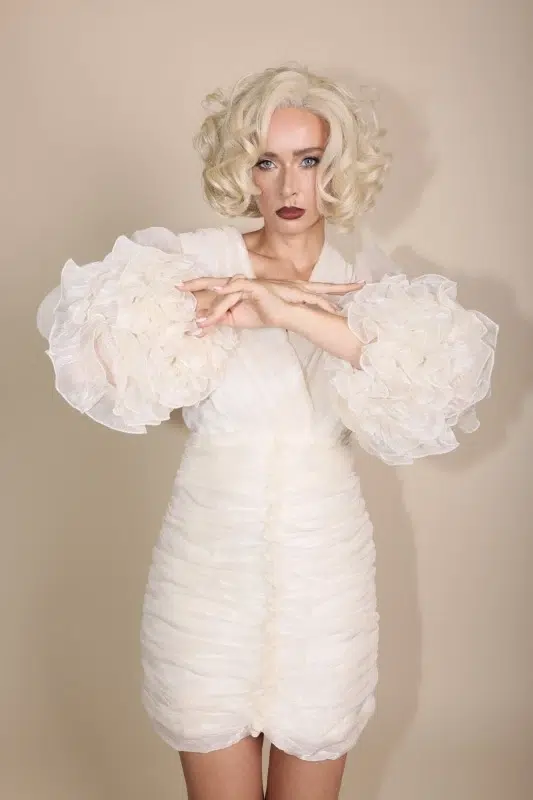
Luxury goods and brands are easier to access than ever before, thanks in part to digital and online platforms. With Global Bio Shop or another trusted merchant, buyers can preview multiple items, check for authenticity, and see what rare and beautiful collections are offered worldwide.
They can freely shop for everything from premium designer clothing to luxury goods for travel. And online shops for luxury goods allow for more access, ease, and a sense of exclusivity when shopping for luxury items.
The Real Difference Between Mid Tier Fashion And True Luxury Is Long-Term Thinking
The most impactful difference that separates true luxury from mid-tier brands is how one is viewed in the short and long term. While a mid-tier brand trendy good may not look good or be in long term use, a true luxury item will look timeless and be both stylish in the short run and valuable in the long run.
Choosing Quality Of Mid Mid Tier Fashion And True Luxury Over Excess
The market is set up now that, after considering the difference in mid-tier brands and true luxury items, buyers are more conscious of what is a better product.
Trustworthy companies with a pleasant shopping experience and a wide range of quality, timeless, and chic items are where consumers are shopping. Constructing a wardrobe with elevated, long-lasting goods is what can be found with the Chic Hot Club trademark.
The ultimate goal of purchasing true luxury goods is not to spend the most money, but to recognize long-lasting value. It defines the differences between mid tier fashion and true luxury.